
When I started in chaplaincy a long time ago, silence was awkward for me. Ironically, I am an extreme introvert and adore silence, when it’s outside of the hospital and in my control. When I am sitting with a patient’s family, who just received bad news, or anticipating bad news, silence can be deafening.
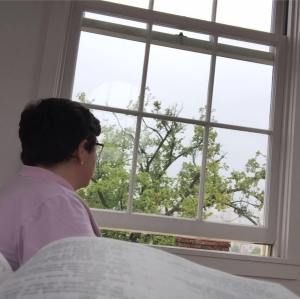 Last week, one of my patients coded and despite heroic efforts, the patient died. The spouse was present and it would be a while before other family arrived. The spouse and I sat in the family conference room while we waited.
I used to want to fix things for the families. I wanted to say something that made a difference for them; that would help them feel better. That’s why the silence was awkward for me. I thought I needed to say something to bring comfort to the family, or to ease the family’s anxiety and distress. If their distress was elevated, I knew what needed to be done to help settle them down. If they were simply in a quiet place, appropriately emotional and concerned, I thought I needed to make the silence go away and do what I could to make things right.
With experience and maturity, I learned that nothing I could say, will fix it. No matter what I said, I could not make them feel better or worry less. In fact, there were times I said “something” and made the situation even worse. Thankfully, I grew in my experience and learned that silence can be a comforting place to sit with someone in their pain and grief.
That’s what happened last week. The spouse said she was “fine’, however it was clear, she was not. She just witnessed the code event of her husband and he didn’t survive. I acknowledged and affirmed her strength and said I would “stick around, just in case”. I can tell when someone DOES wants me to leave and I will respect their wishes but she wasn’t sure what she needed. I did step away a few times, to give her some privacy. That’s important for a family member, especially knowing that the next days ahead, she is not going to have much privacy. When I returned, she didn’t need anything, so I simply stayed in the room. We sat in the comfort of silence and it was quite peaceful.
Clinicians say to me all they time, “Linda, I don’t know what to say or what to do”. I tell them to keep doing what they are trained to do and remember that they don’t have to say anything different, or anything at all. Silence is not a bad thing, especially in someone’s grief. They already know we can’t fix things and we won’t be able to make them feel better. What we can do is remind someone that they are not alone. We simply have to be present, sitting in the silence, together.
When the wife left, she hugged me and expressed her gratitude for the care i provided, saying that it helped. I didn’t do much. I simply sat in the same room with her and let the silence speak for herself.

 This Chaplain's Journey